
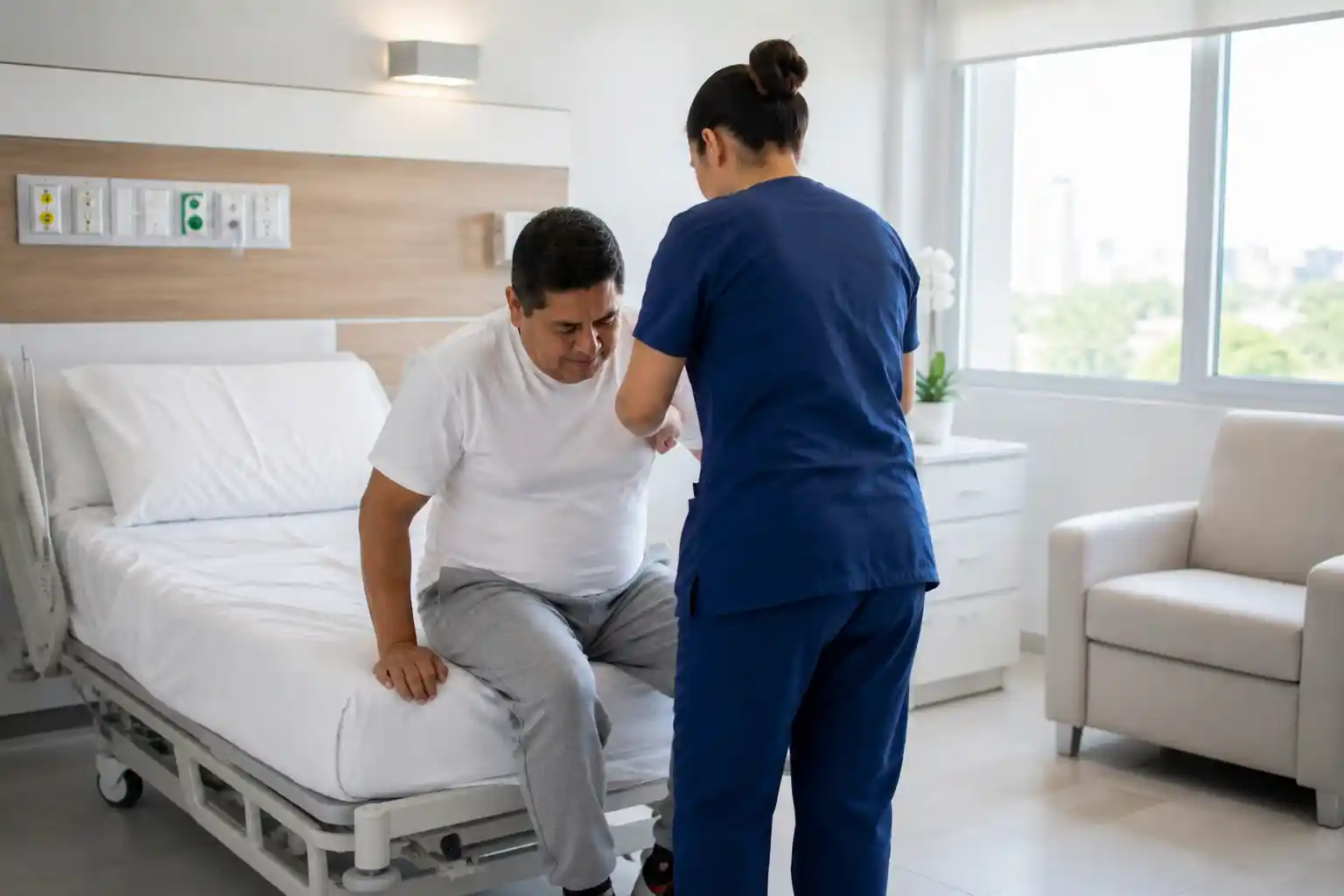
Most people recover from hernia surgery within 1 to 2 weeks for daily activities, with a full return to heavy lifting and exercise by about 4 to 6 weeks. Laparoscopic repair generally means less pain and a faster recovery than open surgery.
Knowing what a normal hernia surgery recovery looks like—day by day and week by week—helps you plan time off, protect your repair, and recognize the rare warning signs that need attention. Here is a realistic timeline and practical tips from a board-certified surgeon.
What Affects Your Recovery Time?
Hernia repair recovery time depends on a few key factors:
- Technique: laparoscopic (keyhole) repair usually heals faster than open repair.
- Type and size of hernia: inguinal, umbilical, and ventral hernias differ, and larger defects take longer.
- Your job: desk work resumes far sooner than heavy manual labor.
- Overall health: age, fitness, smoking, and other conditions all play a role.
Hernia Surgery Recovery Timeline
Days 1–3: Rest and gentle movement
Expect soreness, some swelling, and mild bruising around the incisions. Short, frequent walks around the house are encouraged—they lower the risk of blood clots and speed healing. Manage discomfort with the pain plan your surgeon provides.
Days 4–7: Back to light routine
Many people feel noticeably better and can handle light daily tasks. Most desk-based workers return to work around the end of the first week. Avoid lifting anything heavier than about 10 lb (4–5 kg).
Weeks 2–3: Increasing activity
Walking distance increases and most restrictions ease. You can usually resume driving once you are off strong pain medication and can brake comfortably. Continue avoiding heavy lifting and intense core exercise.
Weeks 4–6: Full return
By this point most patients return to the gym, heavy lifting, and demanding physical work, with your surgeon’s clearance. The mesh is well integrated and the repair is strong.
Tips for a Faster, Smoother Recovery
- Walk a little, often—movement prevents stiffness and clots.
- Support your incision with a hand or pillow when you cough or sneeze.
- Eat fiber and drink water to avoid constipation and straining.
- Take pain medication on schedule early on, then taper as you improve.
- Do not lift heavy objects until cleared—this protects the repair.
- If you smoke, pausing helps tissue heal.
⚠ Call your surgeon right away if you develop a fever, spreading redness or drainage from an incision, severe or worsening pain, a new bulge at the repair site, or nausea and vomiting. These can signal infection or a rare complication that needs prompt care.
When Can I Exercise Again?
Light walking starts immediately. Low-impact activity (stationary cycling, easy walking) often resumes around weeks 2–3. Core work, running, and heavy weightlifting typically wait until 4–6 weeks and surgeon clearance, so the repair can fully strengthen.
Recovery Support With Dr. Alejandro López
Patients who have hernia repair with Dr. López receive a written recovery plan, activity milestones, and direct access to a bilingual coordinator. For international patients, we schedule your follow-up around your travel home so recovery stays on track. See transparent USD pricing or request a free case review.
Planning hernia surgery in Mexico?
Get an all-inclusive quote and a clear recovery timeline from a board-certified surgeon—no obligation.
Request Your Free Quote 💬 WhatsApp UsFrequently Asked Questions
How long does hernia surgery recovery take?
When can I go back to work after hernia surgery?
When can I drive after hernia repair?
Is laparoscopic hernia recovery faster than open surgery?
How much pain is normal after hernia surgery?
This article is for general education and does not replace personalized medical advice. Follow the specific instructions given by your surgeon.