
Yes—hernia surgery is one of the most common and safest operations performed today, with a low rate of serious complications when done by an experienced, board-certified surgeon. For most people, the risks of leaving a hernia untreated eventually outweigh the risks of repairing it.
It is completely normal to feel nervous about surgery. This article explains how safe modern hernia repair really is, the risks that do exist and how they are minimized, and how to lower your personal risk by choosing the right surgeon and preparing well.
How Common—and How Safe—Is Hernia Surgery?
Hernia repair is among the most frequently performed surgeries in the world, with millions done every year. Modern techniques—laparoscopic and robotic repair with lightweight mesh—have made it a highly routine, elective procedure for most patients. Serious complications are uncommon, and the vast majority of people go home the same day or the next and recover fully.
What Are the Risks of Hernia Surgery?
As with any operation, there are potential risks. Being informed helps you weigh them realistically. Possible complications include:
- Infection at the incision (usually minor and treatable)
- Bleeding or bruising around the site
- Seroma—a temporary fluid collection that usually resolves on its own
- Temporary pain or numbness near the repair
- Hernia recurrence (reduced significantly with modern mesh techniques)
- Rare anesthesia-related risks
Most of these are minor and manageable. Serious complications are rare in healthy patients treated by an experienced surgeon.
The Risk of NOT Having Surgery
A hernia does not heal on its own and tends to enlarge over time. The most serious danger of leaving it untreated is strangulation—when trapped tissue loses its blood supply. This is a life-threatening emergency requiring urgent surgery. Elective, planned repair is far safer than emergency surgery on a strangulated hernia, which is a key reason surgeons recommend timely treatment.
⚠ Seek emergency care if a hernia bulge suddenly becomes firm, very painful, and cannot be pushed back in, the skin over it turns red or dark, or you develop nausea, vomiting, or fever. These are signs of a possible strangulated hernia.
How to Lower Your Risk
- Choose a board-certified surgeon with high hernia volume and specific expertise in laparoscopic repair.
- Have surgery at an accredited hospital with modern anesthesia and monitoring.
- Share your full medical history so your team can plan around any conditions.
- Stop smoking before surgery to improve healing.
- Follow pre- and post-op instructions closely, including activity limits.
Is Hernia Surgery in Mexico Safe?
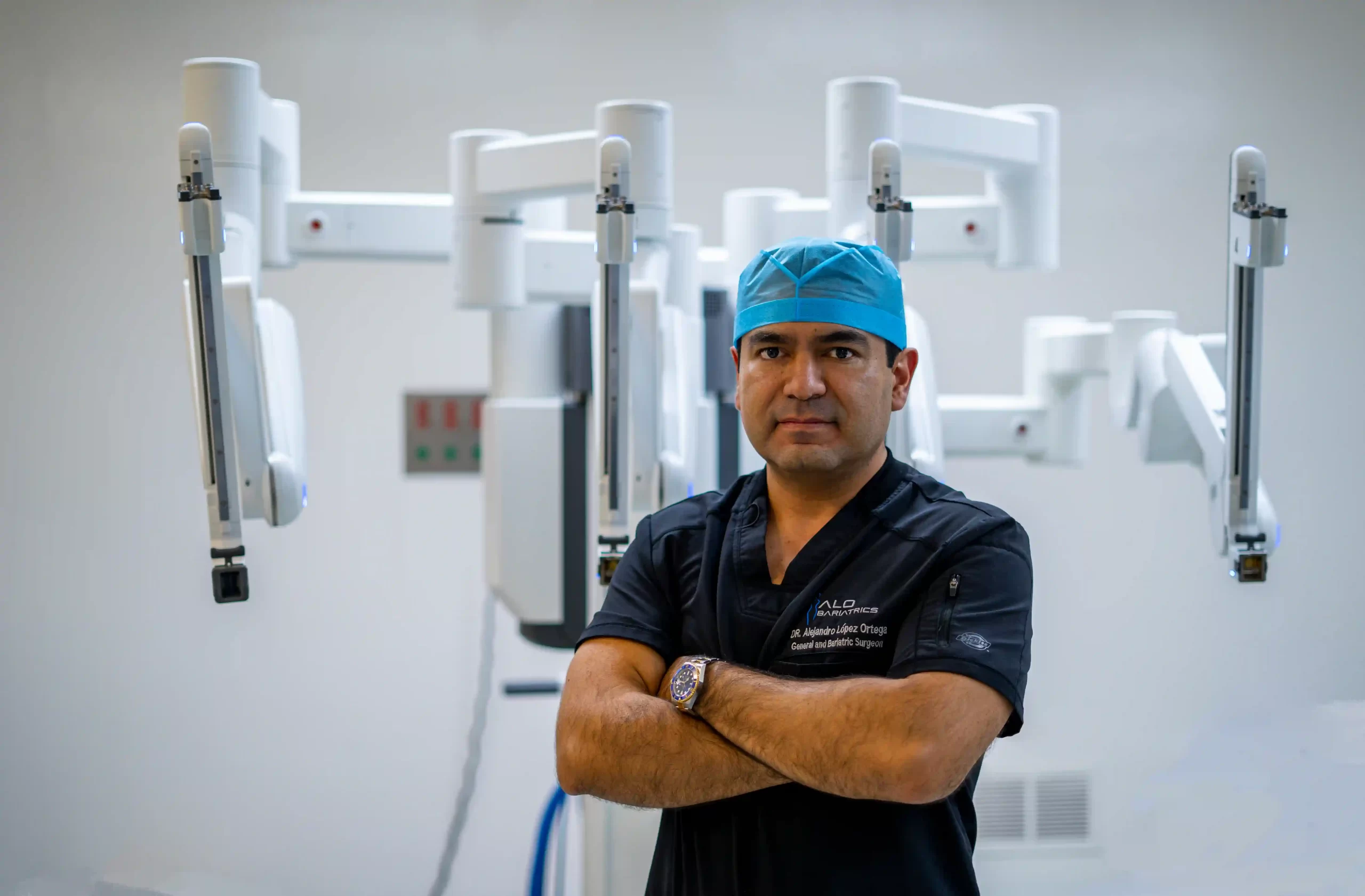
With the right surgeon and hospital, yes. Dr. Alejandro López is a board-certified general and laparoscopic surgeon with over 20 years of experience, operating at accredited hospitals in Tijuana, Guadalajara, and Puerto Vallarta. International patients receive the same laparoscopic and robotic techniques used at major U.S. centers, with a bilingual coordinator guiding every step. Learn more about Dr. López or review transparent USD pricing.
Have questions about your hernia repair?
Get a free, no-obligation opinion and an all-inclusive quote from a board-certified surgeon.
Request Your Free Quote 💬 WhatsApp UsFrequently Asked Questions
Is hernia surgery safe?
What is the most common complication of hernia surgery?
Is it more dangerous to leave a hernia untreated?
Is hernia mesh safe?
Can I have hernia surgery if I have other health conditions?
This article is for general education and does not replace personalized medical advice. Discuss your individual risks and benefits with a qualified surgeon.