
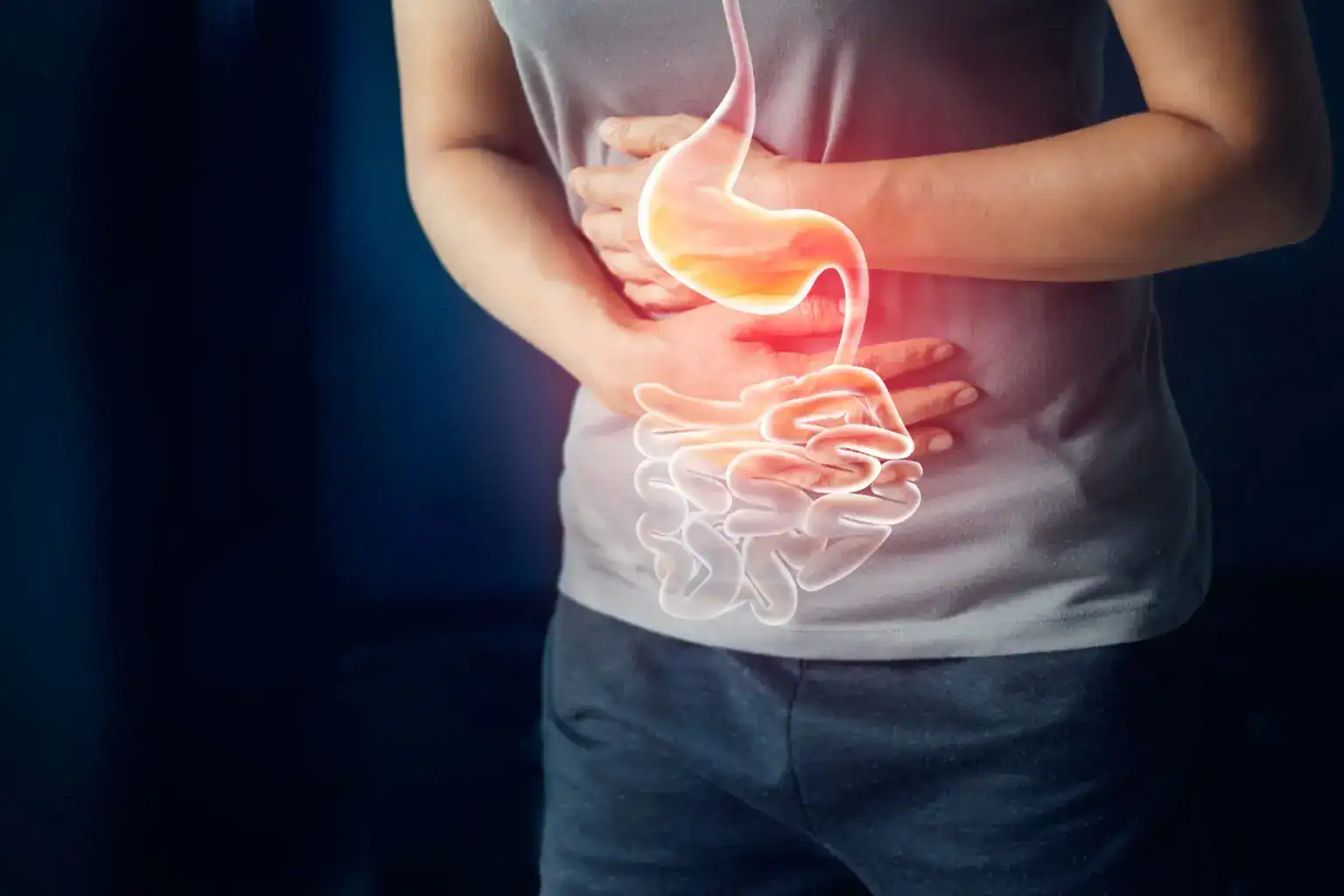
Gastrointestinal disorders are conditions that affect the digestive tract—from the esophagus and stomach to the intestines, gallbladder, and beyond. Many are managed with lifestyle and medication, but some, such as gallstones and hernias, are best treated surgically.
Digestive complaints are among the most common reasons people see a doctor. This guide explains the main types of gastrointestinal disorders, their symptoms, the warning signs that deserve prompt attention, and when surgery becomes the right option.
What Are Gastrointestinal Disorders?
The gastrointestinal (GI) tract is the pathway that digests food, absorbs nutrients, and removes waste. A GI disorder is any condition that disrupts this system. Doctors often group them into two broad categories:
- Functional disorders—the tract looks normal but does not work normally (for example, irritable bowel syndrome or functional dyspepsia).
- Structural disorders—there is a physical change or damage (for example, gallstones, hernias, or reflux with a hiatal hernia) that sometimes requires a procedure.
Common Types of GI Disorders
Acid reflux and GERD
Chronic acid reflux (GERD) causes heartburn, regurgitation, and chest discomfort. It is often linked to a hiatal hernia. Many cases are managed with lifestyle and medication; persistent cases may benefit from surgery (fundoplication).
Gallstones and gallbladder disease
Gallstones can cause pain after fatty meals, nausea, and, if a stone blocks a duct, serious complications. The definitive treatment is gallbladder removal (cholecystectomy).
Hernias
When an organ or tissue pushes through a weak spot in the abdominal wall, the result is a hernia—inguinal, umbilical, ventral, or hiatal. Hernias do not heal on their own and are treated with surgical repair.
Irritable bowel syndrome (IBS)
A common functional disorder causing cramping, bloating, and changes in bowel habits. It is managed with diet, stress management, and medication rather than surgery.
Inflammatory bowel disease (IBD)
Crohn’s disease and ulcerative colitis involve chronic inflammation of the digestive tract and are managed medically, with surgery reserved for complications.
Appendicitis
Inflammation of the appendix causes worsening abdominal pain and is a surgical emergency treated with appendectomy.
Common Symptoms to Watch
- Abdominal pain, cramping, or bloating
- Heartburn or acid regurgitation
- Nausea or vomiting
- Changes in bowel habits (diarrhea or constipation)
- A visible bulge in the abdomen or groin
- Unintended weight loss or loss of appetite
⚠ Seek prompt medical care for severe or sudden abdominal pain, vomiting blood, black or bloody stools, a hard painful abdomen, high fever, or a hernia bulge that becomes firm and cannot be pushed back in. These can signal a serious or emergency condition.
When Is Surgery the Answer?
Many GI disorders are managed without an operation. Surgery becomes the recommended treatment for structural problems such as gallstones, hernias, appendicitis, and reflux that does not respond to medication. Modern laparoscopic and robotic techniques mean these procedures are typically minimally invasive, with small incisions, less pain, and a faster recovery than in the past.
Expert GI Surgical Care With Dr. Alejandro López
Dr. López is a board-certified general and laparoscopic surgeon with over 20 years of experience treating gallbladder disease, hernias, reflux, and other structural GI conditions. International patients receive all-inclusive care at accredited hospitals in Tijuana, Guadalajara, and Puerto Vallarta, with a bilingual coordinator throughout. See transparent USD pricing or request a free case review.
Have a digestive condition that may need surgery?
Get a free, no-obligation opinion and an all-inclusive quote from a board-certified surgeon.
Request Your Free Quote 💬 WhatsApp UsFrequently Asked Questions
What are the most common gastrointestinal disorders?
What is the difference between functional and structural GI disorders?
When do gastrointestinal disorders need surgery?
What warning signs of a GI disorder are serious?
Can gastrointestinal disorders be treated in Mexico?
This article is for general education and does not replace personalized medical advice. If you have persistent or severe digestive symptoms, see a qualified physician.